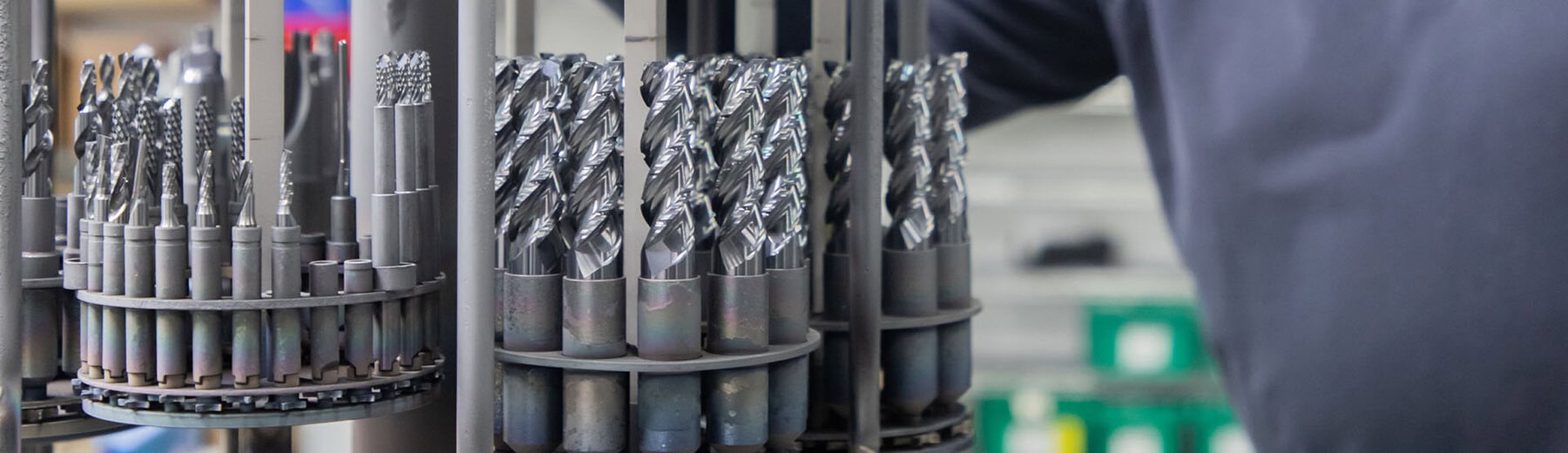
Should you resharpen or replace? This guide breaks down when sharpening carbide tools truly pays off—and when it doesn’t.
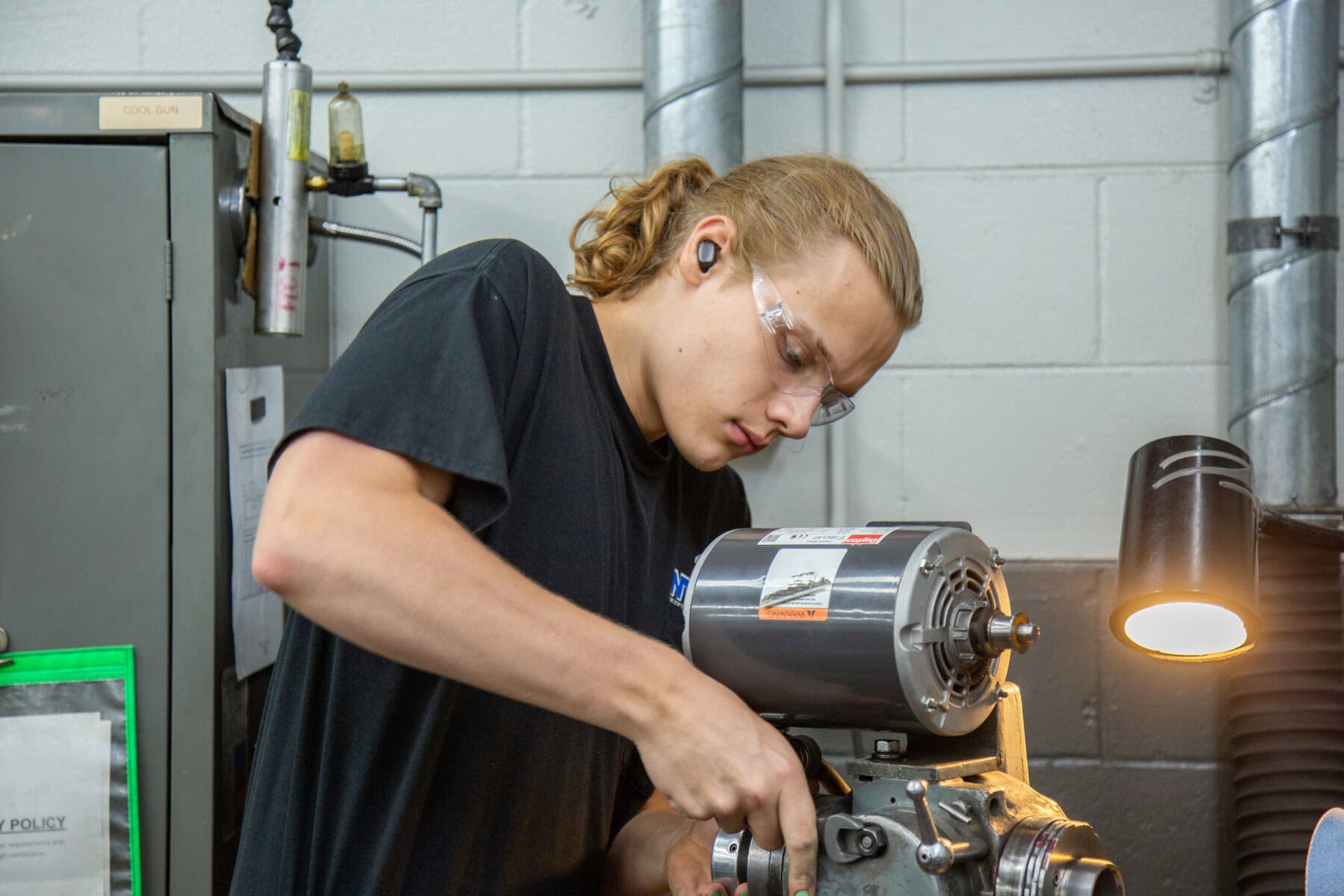
Should you resharpen or replace? This guide breaks down when sharpening carbide tools truly pays off—and when it doesn’t.
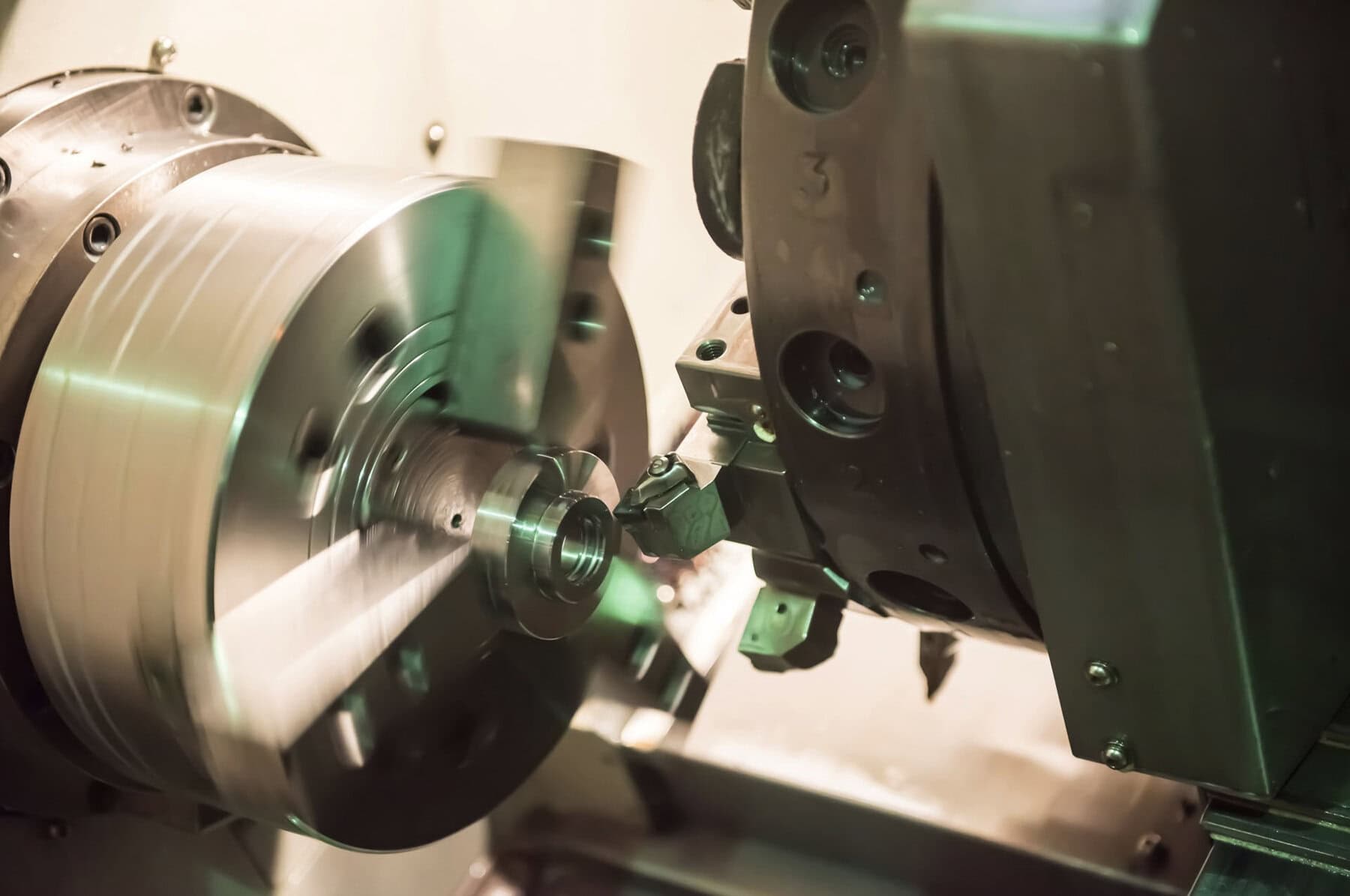
Should you resharpen or replace? This guide breaks down when sharpening carbide tools truly pays off—and when it doesn’t.
Should you resharpen or replace? This guide breaks down when sharpening carbide tools truly pays off—and when it doesn’t.
Should you resharpen or replace? This guide breaks down when sharpening carbide tools truly pays off—and when it doesn’t.
Should you resharpen or replace? This guide breaks down when sharpening carbide tools truly pays off—and when it doesn’t.
Should you resharpen or replace? This guide breaks down when sharpening carbide tools truly pays off—and when it doesn’t.
Should you resharpen or replace? This guide breaks down when sharpening carbide tools truly pays off—and when it doesn’t.
Your tools are talking—learn the signs of cutting tool failure before it hits your parts or your profits.
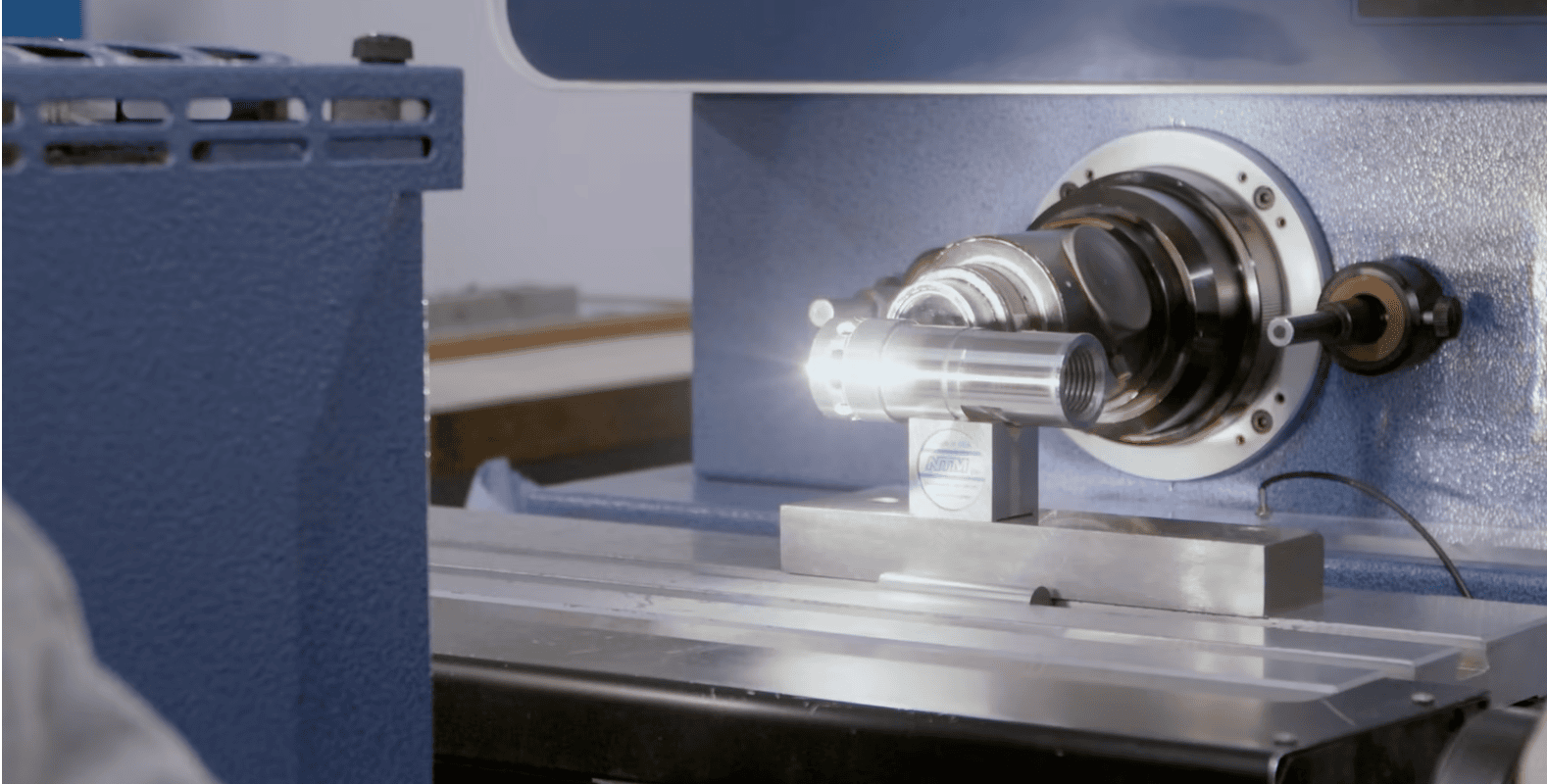
In any precision-driven machine shop or manufacturing environment, well-maintained cutting tools are essential for efficient production, consistent part quality, and reduced downtime. Whether you’re working with drills, reamers, end mills,...
Sharpening isn’t one-size-fits-all. Carbide and non-carbide tools behave differently under heat, pressure, and wear, so your approach should match the material and the job. The goal is simple: restore predictable...
A modern machine shop is less about lone genius and more about calm, repeatable systems. Jobs move through a predictable flow—intake, planning, setup, cutting, inspection, and shipping—so parts leave on...